Fibre Identification for Facility Managers
You do not need to identify a fibre by burn test. You do need to know whether the floor is nylon or wool, because the two have different tolerances and one of them is unforgiving.
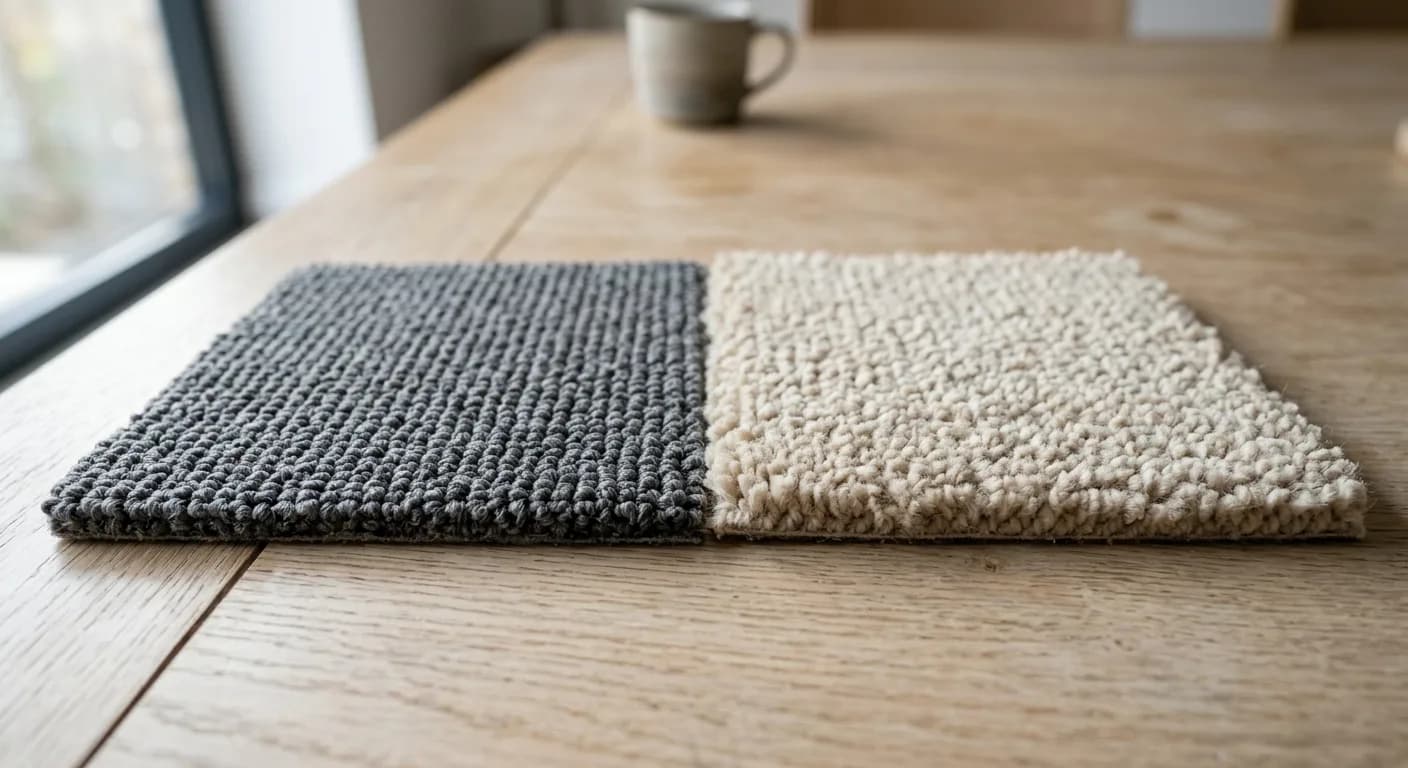
A facility manager does not need to identify carpet fibre the way a technician does. But knowing which of two fibres is on the floor changes what can safely be done to it, and getting it wrong is one of the few mistakes in carpet care that is genuinely irreversible.
Nylon: the default, and the forgiving one
Nylon is the most widely used carpet fibre, and the reason is strength. It is remarkably durable and resilient, and because of its resistance to matting and wear you will not see a visibly worn path even in the busiest spots. It is soft yet strong, it shows colour brilliantly, and it cleans well.
What nylon is not is inherently stain resistant. Most nylon is treated with a stain-resist finish to handle spills, and that finish is consumed over time — by traffic, by cleaning, and by the spills it was there to stop. Which is why re-applying protector after a restorative clean is a real intervention rather than an upsell.
Nylon is not difficult to clean if the three principles are respected: control moisture, control pH, control dry time. Do that and problems are rare.
Wool: the better fibre with the narrower window
Wool is a natural fibre from the fleece of sheep or lambs, typically found in higher-end carpet in homes and commercial properties, in tufted or woven construction. It is very strong and durable, and it is one of the finest face yarns available for carpet.
It has two properties worth understanding before anyone cleans it.
It hides soil exceptionally well. Wool has excellent soil-hiding and soil-release characteristics, which sounds like an advantage and is, right up to the point where it means the carpet is almost certainly more soiled than it appears. Wool floors are routinely under-vacuumed because they look fine.
It holds dye to the core of the fibre. This is why hundred-year-old wool rugs still show brilliant colour in museums. It is also exactly why any stain carrying its own dye is so difficult to remove — the same bond works both ways.
The number that matters: pH
Wool is sensitive to alkaline chemicals above 9.5 pH after prolonged exposure. Wool organisations recommend that cleaning be done between 4.5 and 8.5 pH.
That is a narrower window than a great deal of general-purpose commercial chemistry sits in. A strong alkaline pre-spray that is entirely appropriate on nylon is, on wool, not aggressive cleaning — it is damage. And the damage does not announce itself on the day; it shows up as harshness, colour change and fibre loss later.
Woven wool adds shrinkage to the list, which makes moisture control matter more here than anywhere else. Alongside that sit bleeding, browning and wicking, all of which are moisture and pH problems rather than soil problems.
What to tell a contractor
Before anyone arrives on site, three pieces of information change what they bring:
- Fibre — nylon or wool, and if wool, tufted or woven
- Whether protector has ever been applied, and roughly when
- Where the specification document is, if the building still has it
If nobody knows, say so rather than guessing. A contractor who is told "we think it is wool" will test and treat conservatively. A contractor who is told nothing will assume nylon, because most commercial carpet is — and on the day that assumption is wrong, the floor pays for it.
The practical rule
Where there is any doubt, clean as though it is wool. Neutral pH, less moisture, faster drying. On nylon that is a slightly gentler clean than it needed. On wool it is the difference between a clean carpet and a damaged one, and only one of those two errors can be undone.
Our wool and silk work is set out on the wool and silk cleaning page, and the restorative methods for both fibres on commercial services.
Need this handled in your building?
Serving Broward, Miami-Dade and Palm Beach counties.