
Retail Floors: Appearance Is the Product
In most commercial buildings a tired carpet is a maintenance issue. In retail it is a pricing signal, and customers read it before they read anything else.
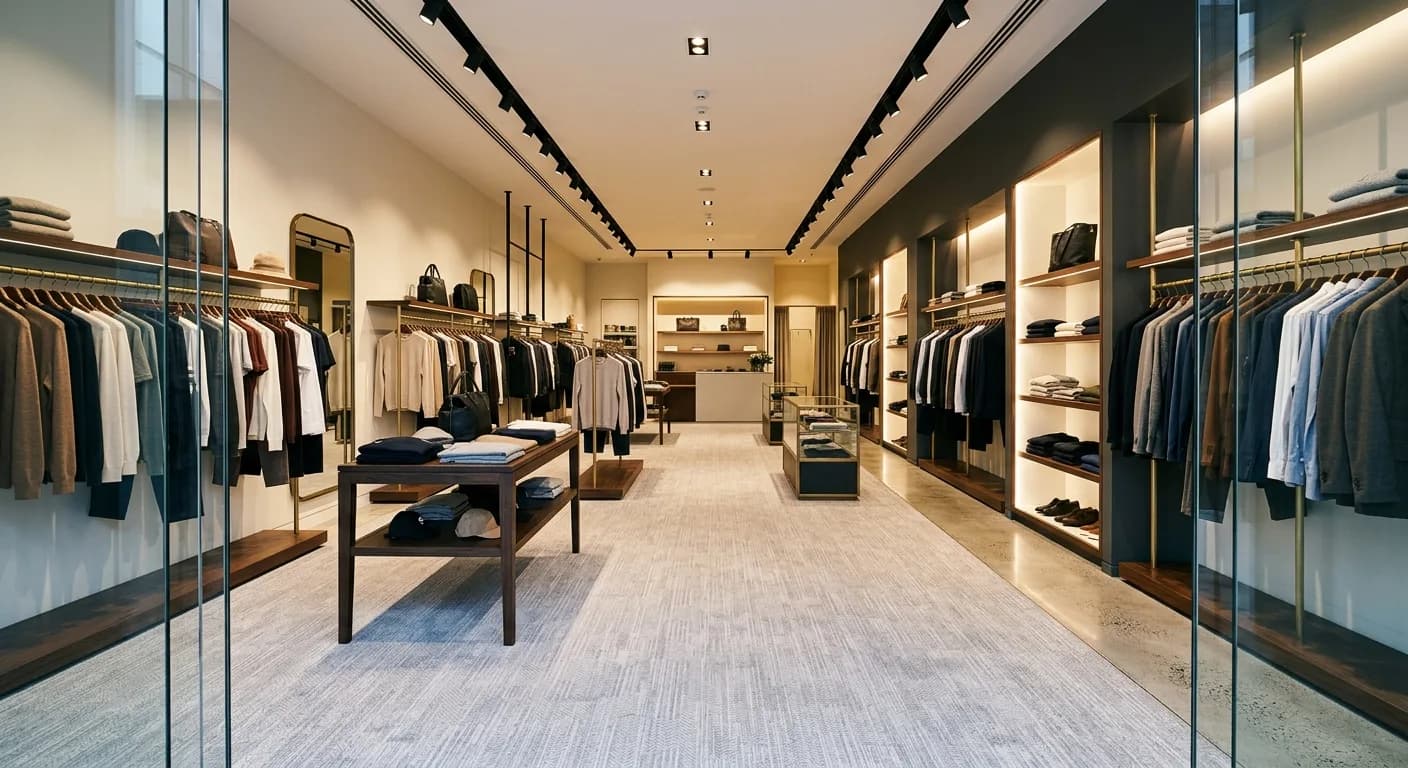
Every commercial building has a reason to keep its carpet in good condition. In retail the reason is more direct than anywhere else: the floor is part of the presentation, and customers draw conclusions from it within seconds of walking in.
A worn, grey entrance says something about the merchandise whether or not it is true. That is not a maintenance argument, it is a merchandising one, and it changes what the schedule has to achieve.
The standard is consistency, not depth
Most commercial carpet programmes aim to restore a floor periodically and accept some drift in between. Retail cannot use that model, because the floor is being judged every trading hour — including the day before the next clean is due.
So the emphasis shifts to interim work: more frequent appearance-level cleaning, concentrated where traffic runs, holding an acceptable standard at all times rather than waiting until the carpet looks bad and then correcting it.
Low-moisture encapsulation is what makes that possible. It dries to the touch in 20 to 60 minutes and returns carpet to light foot traffic in two to four hours, so it fits into the hours a shop is closed. And because it leaves no sticky residue to attract soil, the floor stays consistent rather than declining sharply after each clean.
The entrance is the whole first impression
Retail traffic concentrates at the door more than in any other building type, and so does the soil. Ninety-four per cent of the soil in any facility arrives on foot, and in South Florida that means quartz sand — hard, angular and abrasive — plus water for a good part of the year.
Sand does not merely look dirty in the pile. It grinds against the fibre with every step, which is why a shop entrance goes grey and flat rather than simply dirty, and why no amount of cleaning brings it back once it has happened.
Matting inside and outside the door, vacuumed as part of the opening routine and replaced when it stops working, does more for a retail floor than any increase in cleaning frequency. A mat that is full has stopped collecting and started redistributing — and a visibly dirty mat at a shop door is its own presentation problem.
Zone the shop and stop cleaning it evenly
Retail floors wear in a very predictable pattern, and the schedule should follow it:
- The entrance and the first ten to fifteen feet — the heaviest soil load in the shop and the smallest area. Frequent interim cleaning, protector after restorative work, and the best matting available.
- Main circulation routes — where abrasion happens. Weekly pile lifting to remove embedded grit a vacuum can no longer reach.
- Between fixtures and around displays — light traffic, long cycle, and the place where the carpet's true colour survives for reference.
- Fitting rooms and tills — small areas of concentrated standing traffic that wear far faster than their square footage suggests.
Working around trading
Shops close, which is an advantage, but the window is short and the floor must be dry and presentable at opening. That argues for sectioned work — part of the floor at a time, handed back before the next section starts — and for methods chosen by dry time rather than depth.
It also argues for scheduling restorative work into the genuinely quiet weeks of the year rather than the busy ones. A deep clean that needs longer drying belongs in a slow trading period, booked well ahead, not squeezed into a Saturday night in the run-up to a peak.
Spills, on a floor customers are standing on
Drinks are carried through shops constantly, and coffee and red dye are the two marks that reliably become permanent — both entirely removable when fresh, which is exactly why they get left.
A spotting kit kept behind the till rather than in a stockroom, with a laminated guide and staff trained on four steps — blot first, work outside-in, never scrub, apply weight — is the cheapest improvement most shops can make. And one rule beyond it: a mark that resists two correct attempts gets logged, not attacked with something stronger.
The number that settles the budget
Put the replacement cost of the floor at the top of the maintenance programme. In retail there is a second figure alongside it — the cost of closing to replace it — and together they usually end the argument about whether interim cleaning is worth the money.
More on commercial property work at commercial property, and on scheduling at consultation and training.
Need this handled in your building?
Serving Broward, Miami-Dade and Palm Beach counties.